


Driving Anxiety Signs Tips and How to Stay Calm on the Road

A simple drive to the grocery store can feel anything but simple when anxiety shows up behind the wheel. One minute the road is familiar. The next, your chest feels tight, your thoughts speed up, and every lane change seems harder than it should.
Driving anxiety is more common than many people admit. It can happen after a crash, during heavy traffic, on highways, over bridges, in bad weather, or for no clear reason at all. This post is for information only, not a medical diagnosis, but it can help you name what is happening and take steadier steps forward.

Anxiety can show up in the body before the mind catches up
Many drivers first notice anxiety as a physical wave. The body reacts as if danger is close, even when the situation is manageable.
Common physical signs include:
Increased heart rate
Tight chest or shallow breathing
Sweaty palms
Trembling hands or legs
Dry mouth
Nausea or stomach discomfort
Dizziness or feeling lightheaded
Muscle tension in the jaw, neck, or shoulders
One driver once described it as “my body hitting the panic button before I knew what was wrong.” That description fits. Anxiety can make the body prepare to fight, flee, or freeze. Behind the wheel, that can feel especially frightening because you are expected to stay focused and in control.
A small but useful first step is to stop arguing with the sensation. Instead of thinking, “Something is wrong with me,” try, “My anxiety is loud right now, but I can drive carefully and respond one step at a time.”
Racing thoughts can make normal driving feel dangerous
Driving takes attention, but anxiety can flood that attention with “what if” thoughts.
You might notice thoughts like:
What if I pass out?
What if I cannot change lanes?
What if everyone behind me is angry?
What if I get stuck in traffic?
What if I have a panic attack and cannot pull over?
These thoughts can feel convincing because they arrive with strong body sensations. A racing heart makes the worry seem more true, even when it is not a reliable warning signal.
I remember riding with a friend who became quiet every time we approached a highway ramp. The road was clear, the weather was fine, and nothing unusual was happening. Still, they gripped the wheel and said, “I know this looks easy, but my brain is giving me ten disaster scenes at once.” That is a helpful way to understand driving anxiety. The mind is not just thinking. It is rehearsing fear.
A grounding phrase can help cut through the noise. Try something plain and factual:
“I am in my lane. My hands are on the wheel. I can slow down. I do not have to solve the whole drive at once.”

Avoidance can shrink your world without you noticing
Avoidance is one of the clearest signs that anxiety has started to shape driving habits. At first, it may seem practical. You skip the highway today. You ask someone else to drive across the bridge. You leave early to avoid traffic.
Those choices can be reasonable once in a while. The problem starts when avoidance becomes the main plan.
Signs of avoidance include:
Taking much longer routes to avoid certain roads
Refusing to drive at night, in rain, or during rush hour
Canceling plans because driving feels too hard
Relying on others for trips you used to make alone
Feeling intense dread hours before a drive
Avoidance brings short-term relief. It also teaches the brain that the avoided road must be dangerous. Over time, the list of “safe” routes can get smaller.
A gentler approach is gradual practice. Pick a drive that feels challenging but not overwhelming. For example, drive around a quiet block, then a slightly busier street, then one highway exit with a trusted person in the passenger seat. The goal is not to force yourself through terror. The goal is to rebuild confidence in small, repeatable steps.
Road rage and anxiety can feed each other
Road rage is not the same thing as driving anxiety, but they can overlap. Anxiety can make a driver feel threatened, rushed, or trapped. Those feelings can turn into anger, especially when another driver tailgates, honks, cuts in, or drives aggressively.
Road rage can include yelling, rude gestures, tailgating, blocking another car, brake-checking, chasing, or trying to “teach someone a lesson.” These choices are dangerous. They also raise stress for everyone nearby.
If another driver is angry, the safest response is boring on purpose.
Do not make eye contact for long.
Do not gesture back.
Give space if you can do so safely.
Let the driver pass.
Avoid following them.
Pull into a public, well-lit place if you feel unsafe.
Call 911 if you believe someone is threatening you or others.
If you feel anger rising in yourself, treat it like a warning light. Loosen your grip. Unclench your jaw. Create more following distance. If needed, pull over where it is safe and legal. A two-minute pause can prevent a life-changing mistake.
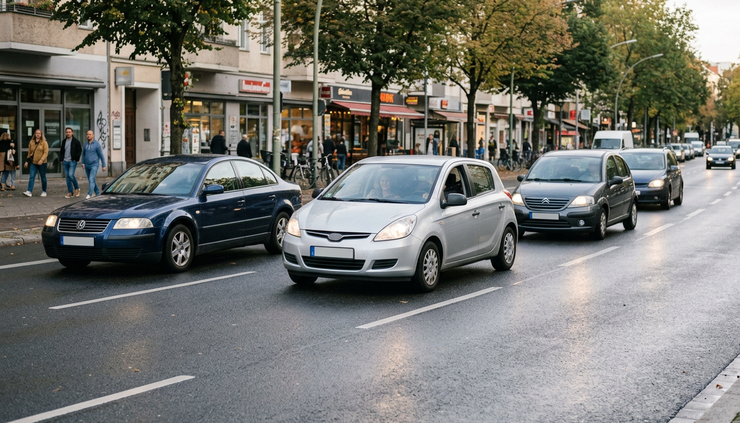
Practical ways to stay calmer while driving
Anxiety may not vanish overnight, but a few tools can make the road feel more manageable.
Use slower breathing before you start moving.
Try inhaling for four counts and exhaling for six. Longer exhales can signal safety to the nervous system.
Plan the first few minutes of the route.
You do not need to mentally drive the whole trip. Know the first turn, the first lane, and where you can pull over if needed.
Lower extra stimulation.
Turn down loud music, set navigation before leaving, and avoid difficult phone calls while driving.
Use the right lane when it helps.
On highways, the right lane can reduce pressure because exits are closer and faster drivers can pass.
Name the feeling without obeying it.
Say, “This is anxiety,” instead of “I cannot do this.” Naming it creates a little distance.
Practice when stakes are low.
A calm Sunday morning drive can help rebuild skill without the pressure of being late.
Get support if driving fear is limiting your life.
A therapist, driving instructor, or medical professional can help, especially if panic attacks, trauma, or severe avoidance are involved.

A calmer drive starts with one steady choice
Driving anxiety can feel isolating, but it does not mean you are weak or incapable. It means your nervous system is reacting strongly, and it needs patient retraining.
Start small. Notice the signs. Respect your limits without letting fear make every decision. Use simple tools, breathe through the first wave, and give yourself credit for each mile you handle with care.
Calm driving is not about never feeling anxious. It is about knowing what to do when anxiety comes along for the ride. If you'd like to learn more about our approach to anxiety, we encourage you to reach out.